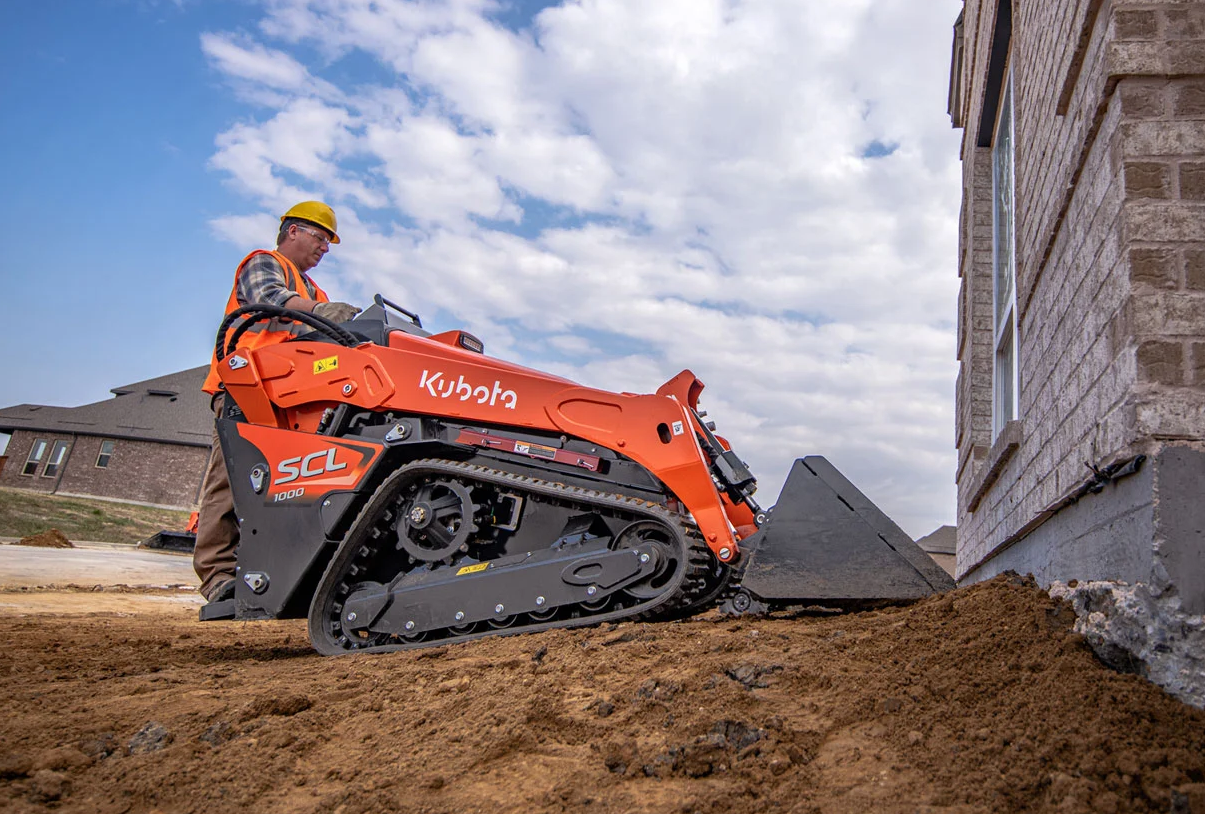

Operating heavy equipment efficiently isn't just about turning the key and moving dirt around. It demands skill, knowledge, and a commitment to excellence that separates the amateurs from the true professionals. Whether you're steering an excavator across a construction site or maneuvering a bulldozer through challenging terrain, understanding the nuances of equipment operation can significantly impact your productivity, safety, and bottom line. This comprehensive guide reveals the essential pro tips that will transform you into a master operator, capable of handling any heavy machinery challenge with confidence and precision.
The construction and excavation industry has evolved dramatically over the past decade, with machinery becoming increasingly sophisticated and demanding. Modern equipment operators face unique challenges that require both traditional know-how and contemporary understanding of advanced machinery features. Throughout this guide, we'll explore practical strategies that experienced operators use daily to maximize efficiency, minimize downtime, and maintain peak performance. Furthermore, you'll discover how to protect your equipment investment while simultaneously enhancing your own professional reputation.
Mastering Pre-Operation Inspection: Your First Line of Defense
Before you engage the ignition or climb into any piece of heavy machinery, conducting a thorough pre-operation inspection stands as your most critical responsibility. This essential routine involves systematically examining every major component of your equipment, from hydraulic lines to tire conditions and fluid levels. Your excavator, bulldozer, skid steer, or man lift cannot operate at peak efficiency if fundamental maintenance needs go unaddressed. Therefore, allocating fifteen to twenty minutes each morning for a comprehensive walk-around inspection isn't wasting time—it's investing in your operational success.
The pre-operation inspection process should follow a structured checklist that you've either received from your employer or developed independently. Begin by examining the exterior of your equipment, looking for leaks, cracks, or visible damage that could worsen during operation. Next, check all fluid levels, including hydraulic oil, coolant, and diesel fuel, ensuring they meet manufacturer specifications. Subsequently, verify that all safety features function properly, test your alarm systems, and confirm that emergency stops respond correctly. Additionally, inspect your tracks or tires for excessive wear, embedded rocks, or damage that could compromise traction or stability during operation.
Moving deeper into your inspection routine, examine the cabin or operator area for any obstructions, broken controls, or malfunctioning displays. Your man lift's platform safety gates, guardrails, and hydraulic cylinders require particular attention, as these components directly protect your safety at height. Furthermore, verify that all warning lights illuminate when you turn the key to the "on" position, confirming that your equipment's diagnostic systems function properly. This methodical approach prevents unexpected breakdowns that could halt entire projects, destroy your professional reputation, and potentially create hazardous situations.
Perfecting Operating Techniques: The Heart of Equipment Mastery
Operating heavy equipment efficiently demands that you develop smooth, controlled movements that minimize strain on hydraulic systems and mechanical components. Whether you're guiding an excavator bucket through intricate excavation work or pushing material with a bulldozer blade, your technique directly influences fuel consumption, equipment longevity, and workplace safety. Experienced operators understand that jerky, aggressive movements waste fuel, generate unnecessary stress on mechanical parts, and produce slower, less precise results. Consequently, investing time in perfecting your technique delivers multiplied returns throughout your operational career.
When operating an excavator, mastery begins with understanding the relationship between the bucket, arm, and boom movements. Smooth, coordinated motions allow you to execute precise excavation work while maintaining optimal power transfer from the engine to the hydraulic system. Rather than ramming your bucket into hard-packed earth with aggressive force, experienced operators use controlled pressure combined with strategic positioning to accomplish the same work with reduced equipment strain. Additionally, when working with multiple hydraulic functions simultaneously—such as swinging while lifting—balance your control inputs to prevent overloading the hydraulic pump and maintain smooth operation.
Your bulldozer operations similarly benefit from refined technique and understanding of blade positioning, angle, and depth control. Professionals recognize that pushing material at excessive speeds creates unnecessary fuel consumption while producing uneven, inefficient results. Instead, they identify the optimal blade angle for specific material types, establish appropriate operating speeds, and use experience to judge when terrain conditions demand technique adjustments. Furthermore, mastering weight distribution and understanding how to use your equipment's mass strategically allows you to accomplish more challenging tasks without forcing excessive stress on drivetrain components.
A skid steer's remarkable versatility makes it an incredibly valuable piece of equipment, yet this same versatility demands greater technical skill from operators who wish to maximize efficiency. Unlike larger equipment with dedicated functions, skid steers require operators to maintain constant awareness of weight distribution, load balance, and terrain stability while managing quick attachment changes. Therefore, professionals develop nearly instinctive understanding of their skid steer's capabilities and limitations, enabling them to transition smoothly between different tasks while maintaining productivity. This equipment thrives when operators maintain smooth control inputs and avoid the lateral stress that comes from aggressive steering movements on difficult terrain.
Maximizing Fuel Efficiency and Cost Control
Fuel costs represent one of the most significant operational expenses in heavy equipment use, making fuel efficiency optimization a priority that directly impacts profitability and project sustainability. Modern equipment operators who understand fuel dynamics gain competitive advantage while reducing environmental impact and demonstrating corporate responsibility. Interestingly, the most fuel-efficient operators often accomplish more work while consuming less fuel, revealing that efficiency and productivity naturally align when operators truly master their equipment. Consequently, learning fuel-efficient techniques delivers financial benefits that accumulate dramatically across entire projects.
Operating your equipment within manufacturer-recommended RPM ranges forms the foundation of fuel efficiency strategy. Many operators unconsciously maintain excessive engine RPM even during light-load activities, consuming premium fuel unnecessarily. Instead, professionals match engine speed to actual workload demands, reducing RPM when pushing lighter loads or during less demanding tasks. Furthermore, understanding your equipment's power curve helps you identify the RPM range where your machine produces maximum efficiency. For example, your excavator likely operates most efficiently within a specific RPM band, and adjusting engine speed accordingly—while maintaining adequate power for your current task—noticeably reduces fuel consumption.
Hydraulic efficiency also significantly impacts overall fuel economy and operational costs. Excessive use of simultaneous hydraulic functions, aggressive throttle movements, and poor positioning that requires extra effort all increase hydraulic demand and, consequently, fuel consumption. Rather than constantly adjusting blade angle on your bulldozer, experienced operators position correctly once, then maintain that position through the work cycle. Similarly, skid steer operators minimize unnecessary bucket tilts and attachment movements, planning tasks strategically to reduce redundant motions. These refinements might seem minor individually, but collectively they reduce fuel consumption by ten to twenty percent—representing substantial savings across long-term operations.
Preventive maintenance directly influences fuel efficiency in ways many operators overlook. A clogged air filter, incorrect tire pressure, or deteriorating hydraulic fluid all increase operational resistance and demand more fuel to accomplish identical work. Therefore, adhering strictly to maintenance schedules—beyond the minimum required for warranty purposes—demonstrably improves fuel economy. Additionally, keeping your engine properly tuned, ensuring fuel injection systems function optimally, and maintaining clean cooling systems all contribute to more efficient combustion and reduced fuel consumption. Consequently, operators who treat maintenance as a fuel-efficiency investment rather than a grudging obligation consistently outperform their less conscientious peers.
Advanced Safety Practices and Situational Awareness
Safety transcends regulatory compliance to become a personal responsibility that experienced operators embrace enthusiastically, understanding that serious accidents devastate careers, families, and companies. While this guide emphasizes efficiency, true professionalism recognizes that unsafe operations eventually result in catastrophic consequences that erase any temporary productivity gains. Advanced operators develop nearly automatic safety habits that become second nature, allowing them to operate with confidence while protecting themselves, coworkers, and bystanders. Therefore, elevating your safety practices beyond minimum legal requirements demonstrates genuine expertise and professional maturity.
Situational awareness—your ability to constantly assess your operational environment and anticipate potential hazards—distinguishes exceptional operators from merely adequate ones. When operating your man lift at height, you develop heightened awareness of structural integrity, wind conditions, ground stability, and nearby obstacles that could create collision risks. This constant vigilance becomes habitual for professionals, requiring minimal conscious effort because they've internalized scanning patterns through repetition and deliberate practice. Consequently, these operators rarely experience near-misses because they identify and eliminate hazards before dangerous situations develop.
When maneuvering an excavator or bulldozer through busy construction sites, maintaining awareness of foot traffic, other equipment, and changing conditions demands constant attention and disciplined communication practices. Professional operators establish clear communication protocols with spotters, using standardized signals and maintaining radio contact to ensure all parties understand movements before they occur. Furthermore, they position equipment strategically to maximize visibility, frequently stop operations to verify that personnel have cleared work areas, and never proceed when visibility becomes questionable. Additionally, these operators adjust their operating speed based on visibility and complexity—a simple adjustment that prevents tragic accidents while adding minimal time to project schedules.
Personal protective equipment and equipment maintenance safety features require equal attention to operational practices. Your hard hat, safety glasses, hearing protection, and reflective clothing aren't inconvenient burdens but rather essential tools that might preserve your life during emergency situations. Similarly, understanding your equipment's safety systems—including rollover protection structures, backup alarms, and emergency stops—ensures you can respond effectively if dangerous situations unexpectedly develop. Professional operators perform regular checks of these safety systems, never disable warning devices regardless of inconvenience, and treat safety systems with the same respect they afford to steering controls and throttles. Through this comprehensive approach to safety, they build careers spanning decades without serious injury.
Equipment-Specific Excellence: Specialized Operating Wisdom
Different pieces of heavy equipment demand specialized knowledge that transforms operators from generalists into true specialists commanding premium compensation and preferred assignments. While fundamental operating principles apply across equipment types, each machine—whether excavator, bulldozer, skid steer, or man lift—possesses unique characteristics that specialists understand intimately. This specialized knowledge enables faster problem-solving, more efficient task completion, and superior quality results that clearly distinguish expert operators from those with merely average capabilities.
Excavator specialists develop intuitive understanding of how bucket shape and design influence digging efficiency for different soil types and applications. They recognize that dense clay demands different techniques than loose sand or rocky terrain, and they adjust bucket angle, approach speed, and cycle timing accordingly. Furthermore, understanding your excavator's counterweight distribution helps you position on hillsides and challenging slopes where weight distribution directly influences stability and safety. Professional excavator operators also recognize how to use swing momentum efficiently, reducing active hydraulic pressure requirements and fuel consumption while maintaining quick cycle times that impress supervisors and clients.
Bulldozer experts develop refined understanding of blade angle relationships with different material types, soil densities, and compaction requirements. They recognize subtle distinctions between situations requiring aggressive ripping and those demanding gentler handling, adjusting ripper penetration, blade angle, and pushing speed accordingly. Moreover, these specialists understand how to move material across complex terrain while maintaining productivity and equipment longevity, using natural contours strategically rather than fighting against them. Additionally, their knowledge of optimal blade positioning for various tasks—whether spreading, backfilling, or grading—enables consistent, professional results that construction managers recognize and reward.
Skid steer operators who achieve true specialization develop almost supernatural-seeming abilities to assess load balance, terrain stability, and equipment limitations through subtle feedback they receive while operating. They intuitively understand which attachments suit specific tasks, how to transition between attachments efficiently, and how to maintain productivity despite terrain challenges that would overwhelm less experienced operators. Furthermore, these specialists know their equipment's precise capabilities regarding slope operation, lifting capacity variations based on load positioning, and how tire conditions influence traction across diverse terrains. This mastery of nuance and detail enables them to accept jobs that would exceed other operators' comfort zones, building stellar reputations and accessing premium compensation opportunities.
Man lift operators gain distinction through specialized knowledge of platform weight distribution, safe working loads, stabilizer positioning, and hazard recognition at height. These experts understand how wind conditions influence safety at height, recognize structural weaknesses that could fail under weight, and maintain exceptional situational awareness while working elevated. Additionally, they develop expertise in the specific man lift model they operate regularly, understanding its particular hydraulic characteristics, control response patterns, and maintenance quirks. This specialized excellence, combined with unwavering commitment to safety protocols, makes them invaluable to contractors managing complex elevated work.
Continuous Learning and Professional Development
The most successful heavy equipment operators recognize that their learning journey never truly concludes—that industry evolution, equipment updates, and personal skill development demand ongoing investment and genuine commitment. Professional operators attend manufacturer training sessions when new equipment arrives, actively seek mentoring from more experienced colleagues, and continuously reflect on their performance to identify improvement opportunities. This growth mindset, combined with genuine enthusiasm for excellence, separates operators who build multi-decade careers from those who plateau at mediocre performance levels. Consequently, embracing continuous learning becomes one of the most valuable pro tips for long-term operational success and professional fulfillment.
Modern equipment increasingly incorporates advanced technology, including telematics systems that monitor fuel consumption, operating patterns, and maintenance needs in real-time. Smart operators learn how to utilize this data for self-assessment and performance improvement, identifying where their operating habits diverge from manufacturer recommendations and adjusting accordingly. Furthermore, these operators understand how equipment updates and software improvements influence performance characteristics, taking time to master new features that enhance efficiency, safety, or capability. This proactive engagement with evolving technology ensures they remain valuable assets rather than struggling to adapt when employers implement advanced systems.
Mentorship relationships provide immeasurable value for operators serious about advancement, offering opportunities to learn from experienced professionals who've already solved problems you currently face. Additionally, sharing your own expertise with less experienced operators reinforces your knowledge while building respect among colleagues and supervisors. Professional operators also participate in industry associations, attend conferences, and engage with trade publications that share innovations and best practices. Through this comprehensive commitment to continuous improvement, they build remarkable careers while finding genuine satisfaction in the pursuit of operational excellence and mastery.