
Section 1: Understanding Your Project's True Equipment DNA
Every project tells a unique story, and your equipment choices become the chapters that determine whether that story ends in triumph or struggle. Before you rush into purchasing or renting, you should first understand what your project genuinely demands. This begins with a thorough assessment of your project's scope, timeline, and budget constraints. Additionally, evaluating the specific tasks your team will perform allows you to identify exactly which tools will drive efficiency and productivity.
Furthermore, understanding your equipment needs prevents wasteful spending on unnecessary gear. Take time to examine industry standards and best practices relevant to your project type. Consult with experienced team members who have tackled similar challenges before. This groundwork transforms equipment selection from guesswork into strategic planning, ensuring every dollar invested generates maximum returns.
Section 2: The Strategic Advantage of Rental Equipment Solutions
In today's dynamic business landscape, rental equipment emerges as a game-changing strategy that deserves serious consideration. Rather than making substantial capital investments in machinery you'll use infrequently, renting provides flexibility and cost efficiency that directly impacts your bottom line. This approach allows your team to access cutting-edge technology without the burden of ownership, maintenance, or storage concerns.
Moreover, rental equipment gives you the opportunity to test different brands and models before committing to permanent purchases. Your business maintains liquidity while still accessing premium tools that elevate project outcomes. Additionally, equipment rental companies typically maintain their inventory meticulously, ensuring you receive reliable, well-maintained machinery ready for immediate deployment. This strategic flexibility empowers smaller teams and startups to compete effectively with larger enterprises that own extensive equipment inventories.
Section 3: Leveraging Specialty Equipment for Competitive Distinction
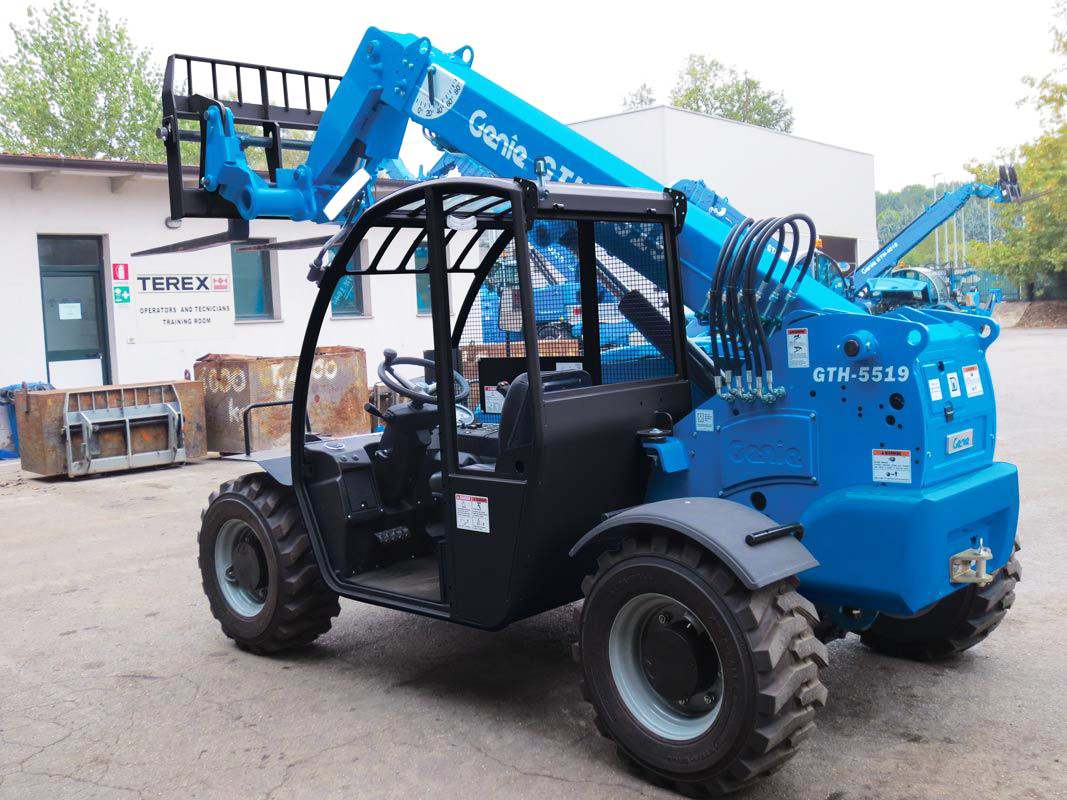
When standard tools fall short, specialty equipment steps in to deliver those critical advantages that separate average projects from exceptional ones. These specialized machines tackle unique challenges that conventional equipment cannot address, allowing your crew to work smarter and faster. Whether your project requires precision cutting, specialized moving and lifting capabilities, earth moving, or even specialized lawn and garden tools, selecting the right specialty equipment transforms obstacles into opportunities. Consequently, investing time in researching available specialty equipment options directly correlates with improved project timelines and superior results. Consider partnering with equipment providers who understand your industry and can recommend solutions tailored to your specific challenges.
Furthermore, training your crew to operate specialty equipment properly maximizes its potential and ensures safety compliance across your project site. Finally, embracing specialty equipment demonstrates your commitment to excellence and professionalism. Clients notice when projects demonstrate advanced technological implementation. This strategic choice builds your reputation as an innovative, results-driven organization capable of handling even the most complex project demands. By combining rental equipment flexibility with specialty equipment speed and precision, you create an unbeatable formula for project success.
Equipment Rental Guide Summary
• Cost-Effective Solution: Renting equipment eliminates the need for substantial capital investment in purchasing machinery and tools, making it an economical choice for businesses of all sizes and project-based work.
• Access to Specialized Equipment: Rental services provide access to advanced and specialized equipment that you might not use frequently enough to justify owning, ensuring your projects benefit from cutting-edge technology without permanent ownership burdens.
• Flexibility and Scalability: Equipment rental allows you to scale your resources up or down based on project demands, giving you the flexibility to handle varying workload sizes without long-term commitments.
• Maintenance and Support: Rental companies typically handle maintenance, repairs, and technical support, eliminating the responsibility of equipment upkeep and reducing downtime associated with maintenance issues.
• Storage and Space Savings: Renting eliminates the need for dedicated storage space on your premises, freeing up valuable real estate for other business operations and reducing storage-related overhead costs.
• Rapid Project Deployment: Quick access to rental equipment enables faster project initiation and completion timelines, as you don't need to wait for equipment procurement or setup processes.
• Tax and Financial Benefits: Equipment rental can offer favorable tax implications compared to ownership, potentially providing deductions for rental expenses while improving cash flow management.
• Wide Equipment Variety: Professional rental providers offer extensive catalogs spanning construction machinery, power tools, technology equipment, and specialized instruments for diverse industry needs.
• Risk Mitigation: Rental arrangements typically include insurance coverage and liability protection, transferring equipment-related risks from your business to the rental provider.
• Testing Before Buying: Renting equipment allows you to test machinery and tools before making permanent purchasing decisions, helping you determine suitability for your specific operations.
• Expert Guidance: Rental company staff provide valuable expertise and recommendations about equipment selection, optimal usage, and specifications tailored to your project requirements.
• Environmental Considerations: Equipment rental promotes sustainability by maximizing resource utilization across multiple users, reducing manufacturing demands and minimizing environmental impact through shared equipment usage.
• Reduced Obsolescence Risk: Technology and equipment rapidly evolve; renting protects you from owning outdated machinery while ensuring access to current, efficient models through regular fleet updates.
• Industry-Specific Solutions: Professional rental providers understand sector-specific needs and offer curated equipment packages designed for construction, manufacturing, healthcare, events, and other specialized industries.
• Competitive Advantage: By leveraging rental equipment, businesses can maintain competitive advantage through access to quality tools and technology without the financial constraints of ownership, ultimately enhancing project quality and profitability.